Posts

Showing posts with the label Medical Devices

Viral Vector and Plasmid DNA Testing Services Industry Growth

Image
Viral Vector and Plasmid DNA Testing Services   Quality Control is Crucial for Gene Therapy Development Gene therapies have shown tremendous potential for treating a variety of genetic diseases like cancer, diabetes and cystic fibrosis. However, one of the key challenges in developing safe and effective gene therapy products is ensuring the quality of viral vectors and plasmid DNA used to deliver corrective genetic material into patient's cells. Even low levels of contaminants in these delivery systems can potentially trigger harmful immune responses or toxicity issues. That is why implementing robust quality testing at various stages of product development has become imperative. Testing for Identity, Purity and Potenc y The fundamental requirements for any biological therapeutic product include testing for identity, purity and potency. For viral vectors and plasmid Viral Vector And Plasmid DNA Testing Services , identity testing confirms that the actual product is what it is cl...

Medical Sensors: Enabling Early Disease Detection and Improved Patient Care

Image
Medical Sensors  Non-invasive Diagnostic Tools Advancements in sensor technology have enabled the development of non-invasive diagnostic tools that can gather crucial health data without requiring invasive procedures. Sensors placed on or inside the body can continuously monitor vitals like heart rate, blood pressure, oxygen levels and more. This real-time patient monitoring allows for early detection of changes indicating potential health issues. Remote sensor platforms connected via Bluetooth or other wireless protocols also enable at-home or even ambulatory monitoring, improving accessibility and convenience. Devices like adhesive patches or inserts fitted with tiny sensors can transmit readings to apps on a patient's smartphone or other devices. This makes it simpler to track health progress outside of clinical settings. Wireless Sensors Improve Disease Management Wirelessly connected sensors are revolutionizing how chronic conditions are managed. Devices fitted with things ...

Understanding Endotracheal Tubes for Critical Care

Image
Endotracheal Tubes  What is an Endotracheal Tube? An endotracheal tube, commonly referred to as an ET tube, is a thin, flexible plastic tube that is inserted through the mouth and then down into the trachea (windpipe) and lungs to help patients breathe during surgical and emergency situations that compromise spontaneous breathing. The tube ensures an open airway and provides a pathway to deliver oxygen or mechanical ventilation to the lungs while bypassing the nose and mouth. Indications for Endotracheal Intubation Some common medical situations where endotracheal intubation may be required include: Trauma Care and Surgery Endotracheal Tube are frequently used during trauma and surgical procedures where anesthesia needs to be administered and the airway needs to be protected. For example, ET tubes allow for mechanical ventilation during major surgeries, assist breathing during recovery from anesthesia, and protect the airway during facial or neck trauma. Respiratory Failure Pa...

Colonoscopy Devices Industry Sees Continued Growth and Innovation

Image
  Colonoscopy Devices Advancements in Imaging Technology Driving Adoption of New Colonoscopes One of the major factors fueling growth in the colonoscopy devices market is the ongoing improvements being made to endoscopy imaging technology. Traditional colonoscopes utilize fiber optic bundles to transmit light from the tip of the scope to a camera allowing visualization of the colon during the procedure. However, newer digital scopes are now available that use miniature video cameras embedded directly at the tip. These high-definition cameras provide significantly clearer and higher resolution images compared to fiber optic versions, allowing for more accurate detection of precancerous polyps and lesions. Several major OEMs now offer array-based video colonoscopes that are becoming the new standard of care. As imaging capabilities continue to enhance, so too does the ability to diagnose and treat diseases of the colon. Colonoscopy Devices Forward-viewing capabilities on some new ...

The Emerging Market for Inhalable Drugs: Exploring Its Role in Modern Healthcare

Image
  Global Inhalable Drugs: New Modes of Drug Delivery Provide Opportunities and Challenges The pharmaceutical industry is continuously innovating new modes of drug delivery to improve treatment options for patients. One emerging area is   delivered via devices such as nebulizers, metered-dose inhalers, and dry powder inhalers. Inhalation provides a non-invasive way to deliver drugs directly into the lungs for local or systemic treatment of conditions like asthma, COPD, and lung infections. It can also be used to deliver drugs into the bloodstream rapidly for quick relief of symptoms. Pulmonary Drug Delivery Circumvents First-Pass Metabolism When drugs are administered orally, they must pass through the liver before entering systemic circulation. This first-pass metabolism renders part of the drug ineffective as it is broken down in the liver before reaching the bloodstream. Inhalation allows drugs to bypass the liver and enter the bloodstream through the alveoli in the lungs....

Nasometry Devices: Instrumentation for Objective Voice Analysis

Image
  Nasometry Devices Nasometry is an objective technique for analyzing the acoustic characteristics of the voice and its nasal quality. Nasometry devices utilize specialized microphones and sensors to identify and quantify the resonance patterns in speech. By measuring nasal airflow and acoustic resonances, nasometry provides quantitative data about the balance between oral and nasal voice production. This objective data can be useful for diagnosing voice disorders, tracking progress during voice therapy, and evaluating the effectiveness of surgical interventions. How Nasometry Works Nasometry systems work by simultaneously recording the acoustic signal from the microphone as well as the nasal airflow signal from a nasal cannula or thermistor. The microphone captures the speaker's full speech waveform, while the nasal sensor detects any airflow through the nose. By comparing these two signals, the nasometer can identify periods of voiced speech and determine the nasalance score -...

Exploring Topical Drug Delivery: Advancements and Challenges

Image
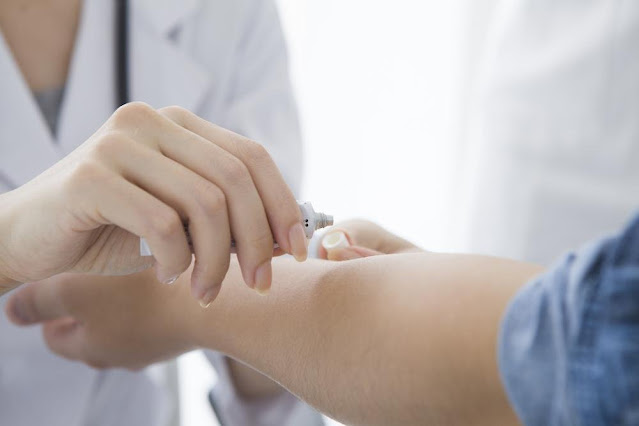
Topical Drug Delivery Topical drug delivery stands at the forefront of pharmaceutical innovation, offering targeted treatment with minimal systemic side effects. By directly applying medications to the skin, topical formulations provide a localized therapeutic effect, making them a preferred choice for various medical conditions. In this blog, we delve into the advancements and challenges shaping the landscape of topical drug delivery, highlighting its significance in modern medicine. The Significance of Topical Drug Delivery Topical Drug Delivery holds significant importance across a wide range of therapeutic areas, including dermatology, pain management, and transdermal hormone replacement therapy. By bypassing the gastrointestinal tract and avoiding first-pass metabolism, topical formulations enable direct absorption of medications through the skin, resulting in rapid onset of action and enhanced bioavailability. This targeted approach not only improves treatment efficacy but a...

Beta Glucan: An Essential Mushroom Compound That Boosts Immunity

Image
  Beta Glucan What are Beta Glucans? Beta glucans are a type of fiber found in the cell walls of mushrooms, yeast, grains such as oats and barley. They are long-chain polysaccharides made up of glucose molecules. The beta glucan fibers found in mushrooms are called beta-D-glucans. Health Benefits of Beta Glucans Boost Immune Function Beta glucans are known as biological response modifiers because they work to enhance the body's natural immune defenses. When beta glucans enter the body, they are recognized by immune cells called macrophages and neutrophils. This prompts the immune cells to increase in number and strengthen their ability to identify and remove pathogens. A stronger immune response means fewer infections to deal with. Reduce Cancer Risk Several studies have linked beta glucan intake to a lowered risk of certain cancers. It is believed that beta glucans help strengthen immune cells' anti-tumor activity. They aid macrophages in detecting and destroying cancer ce...

CRISPR and CAS: Advancing the Genetic Modification Revolution

Image
  CRISPR and CAS In the late 1980s and early 1990s, scientists researching bacteria discovered unusual repeats of DNA segments in the microbial genomes. Further research into these repeated segments found that they played a role in the bacteria's antiviral defense systems. These repeated segments along with associated genes were dubbed "clustered regularly interspaced short palindromic repeats", also known simply as CRISPR. CRISPR works alongside a set of genes known as CRISPR-associated genes, or CAS genes. Together, the CRISPR-CAS system serves as the bacterial immune system, immune cells. It allows bacteria to remember viruses and plasmids that previously infected them so they can recognize and destroy these pathogens again. RNA from CRISPR sequences guide CAS enzymes to match and cut the DNA of the invading virus or plasmid. Breakthrough Applications and Uses in Genome Editing It wasn't until 2012 that scientists realized the tremendous potential for practical...

Innovations in Particle Analysis: The Latest Sieve Shaker Technologies

Image
   Latest Sieve Shaker Technologies Laboratory sieve shakers are essential instruments used for particle size analysis in several industries like mining, construction, chemical, pharmaceutical, food processing, etc. Sieve shakers separate particles or granules based on their size by agitating them through a series of test sieves. They provide reproducible and accurate results for various applications ranging from quality control to R&D. This article discusses the working, features, types, and applications of laboratory sieve shakers. Working of a Sieve Shaker A sieve shaker works on the principle of mechanical sieving. It consists of a shaking mechanism and a stack of test sieves arranged according to the particle sizes that need to be separated. The shaking mechanism agitates the sieves in a controlled manner using an eccentric drive. Samples to be analyzed are placed on the top sieve which has the largest mesh openings. Under the influence of vibrations, particles smal...

Advancements in Non-Invasive Prenatal Testing in North Africa

Image
  Non-Invasive Prenatal Testing in North Africa  Prenatal testing plays a crucial role in identifying any potential medical conditions in a fetus before birth. Over the last decade, North Africa has seen significant advancements in non-invasive prenatal testing (NIPT) options that provide accurate screening with minimal risks. This new generation of screening methods analyzes cell-free DNA from a simple blood draw of the pregnant woman. Let's take a closer look at how NIPT is revolutionizing prenatal care across North Africa. Emergence of NIPT in the Region The first NIPT tests were introduced in North Africa around 2012. These early tests screened for common chromosomal abnormalities like Down syndrome but had limited accuracy. Through continued medical research and technological developments, the tests have become highly accurate with a detection rate of over 99% for major disorders. Today, NIPT tests are available throughout North Africa in major cities and hospitals. Lead...